Legal Electronic Signatures: The Future of Secure and Valid Digital Agreements
4 min read • Jul 15, 2025
4 min read • Jul 15, 2025

In a world where digital transformation is redefining how businesses operate, legal electronic signatures have emerged as a crucial element in simplifying and securing online transactions. From signing contracts and NDAs to approvals and agreements, electronic signatures are no longer just a convenience—they’re a legal necessity.
In this detailed guide, we will explore what makes an electronic signature legal, how it is used globally, the benefits, types, legal frameworks, and how you can ensure your digital signatures comply with relevant laws.
🔍 What Are Legal Electronic Signatures?
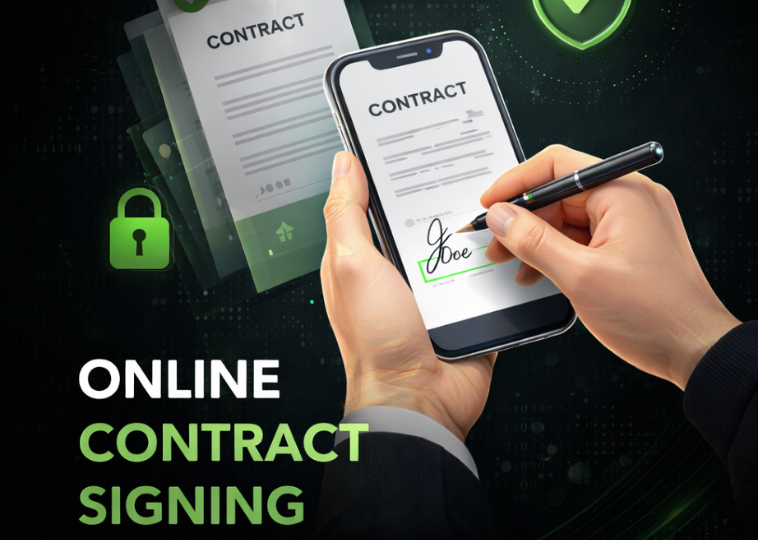
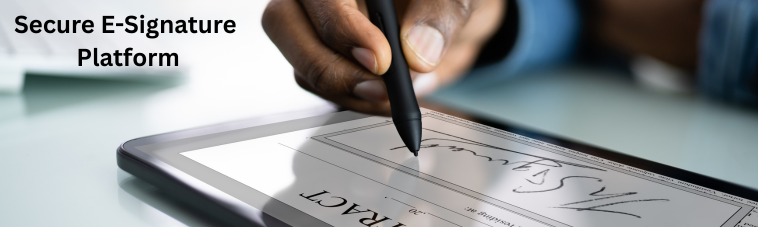
A legal electronic signature is a digital method of signing documents that holds the same legal value as a handwritten signature. When implemented with the right protocols, these signatures are recognized under various national and international laws.
✅ Definition:
A legal electronic signature is any electronic process that indicates acceptance of an agreement or record and is executed with the intent to sign.
Examples include:
-
Typing your name in a signature field
-
Drawing your signature on a touchscreen
-
Clicking “I Agree” on a digital contract
-
Using e-signature software like Apostisign
📜 Legal Recognition Around the World
1. India – IT Act, 2000:
In India, digital and electronic signatures are legally valid under the Information Technology Act, 2000, as long as they are certified by a licensed Certifying Authority (CA) like eMudhra or nCode.
2. USA – ESIGN Act & UETA:
The United States recognizes e-signatures under the ESIGN Act (2000) and UETA, which ensures that electronic contracts and signatures are as valid as paper-based ones.
3. European Union – eIDAS Regulation:
The eIDAS regulation defines three types of electronic signatures:
-
Simple Electronic Signature (SES)
-
Advanced Electronic Signature (AES)
-
Qualified Electronic Signature (QES)
Only QES holds the same legal weight as a handwritten signature.
🛡️ What Makes an E-Signature Legal?
To ensure your electronic signature is legally binding, it must meet the following criteria:
-
Intent to Sign: The signer must clearly indicate the intention to sign.
-
Consent: Both parties should agree to use electronic signatures.
-
Verification: The identity of the signer must be verified.
-
Integrity: The signed document should be tamper-proof.
-
Record Keeping: There must be an audit trail of the signing process.
Most top-tier electronic signature platforms like Apostisign ensure all of the above by default.
💡 Why Use Legal Electronic Signatures?
✅ 1. Save Time
No need for printing, scanning, or courier services. Documents can be signed in seconds.
✅ 2. Improve Compliance
Stay compliant with IT laws, GDPR, eIDAS, and other global regulations.
✅ 3. Enhance Security
Advanced encryption ensures that the document and signature are protected from tampering.
✅ 4. Cost-Effective
Saves paper, ink, postage, and admin costs.
✅ 5. Boost Productivity
Sign from anywhere, anytime—even on mobile.
🔍 Types of Electronic Signatures
Understanding the different levels of electronic signatures can help you choose the right type for your needs:
🔸 1. Basic Electronic Signature (BES)
Example: Typing your name or uploading a scanned image of your signature.
Use case: Low-risk internal approvals.
🔸 2. Advanced Electronic Signature (AES)
Includes identity verification and encrypted digital certificate.
Use case: HR documents, legal contracts.
🔸 3. Qualified Electronic Signature (QES)
Issued by a certified authority and considered equal to handwritten signature under law.
Use case: Government, legal, and regulatory documents.
🛠️ How to Create Legal Electronic Signatures
Here’s how you can easily create legally valid e-signatures using Apostisign:
-
Create Account – Sign up on Apostisign
-
Upload Document – Choose the PDF, DOCX, or image you want to sign.
-
Place Signature Fields – Drag and drop signature, name, date, etc.
-
Verify Identity – Send OTP, email, or Aadhaar-based verification.
-
Sign & Save – Legally sign the document and store it securely.
🏛️ Are Electronic Signatures Admissible in Court?
Yes! Courts in most countries, including India, accept electronic signatures if they fulfill legal requirements:
-
The signature must be traceable to the signer
-
It must prove the intent to sign
-
There must be a secure audit trail
For example, in India, digitally signed documents with DSCs (Digital Signature Certificates) are commonly used in income tax filings, MCA21 portal, and e-tenders.
📁 Where Are Legal E-Signatures Commonly Used?
-
Business Contracts
-
NDAs & HR Documents
-
Rental & Lease Agreements
-
Financial & Banking Forms
-
E-commerce & Insurance
-
Healthcare Consent Forms
✅ Checklist: Ensuring Your E-Signatures Are Legal
| Legal Requirement | Met by Apostisign? |
|---|---|
| Signer Intent | ✅ Yes |
| Identity Verification | ✅ Yes |
| Audit Trail | ✅ Yes |
| Tamper-Proof Encryption | ✅ Yes |
| Regulatory Compliance | ✅ Yes (IT Act, eIDAS, ESIGN) |
🚀 The Future of Legal Electronic Signatures
With the rise of remote work, paperless workflows, and cross-border business, legal electronic signatures are becoming the gold standard. The future will likely involve:
-
Biometric e-signatures (fingerprint, facial recognition)
-
AI-powered fraud detection in signature verification
-
Blockchain for secure record keeping
-
Integration with CRMs and document management systems
🔚 Conclusion
Legal electronic signatures are not just a digital convenience—they are legally recognized tools that enhance trust, speed, and compliance in modern-day workflows. Whether you’re a startup founder, legal professional, HR manager, or government official, embracing e-signatures can transform how you do business.